
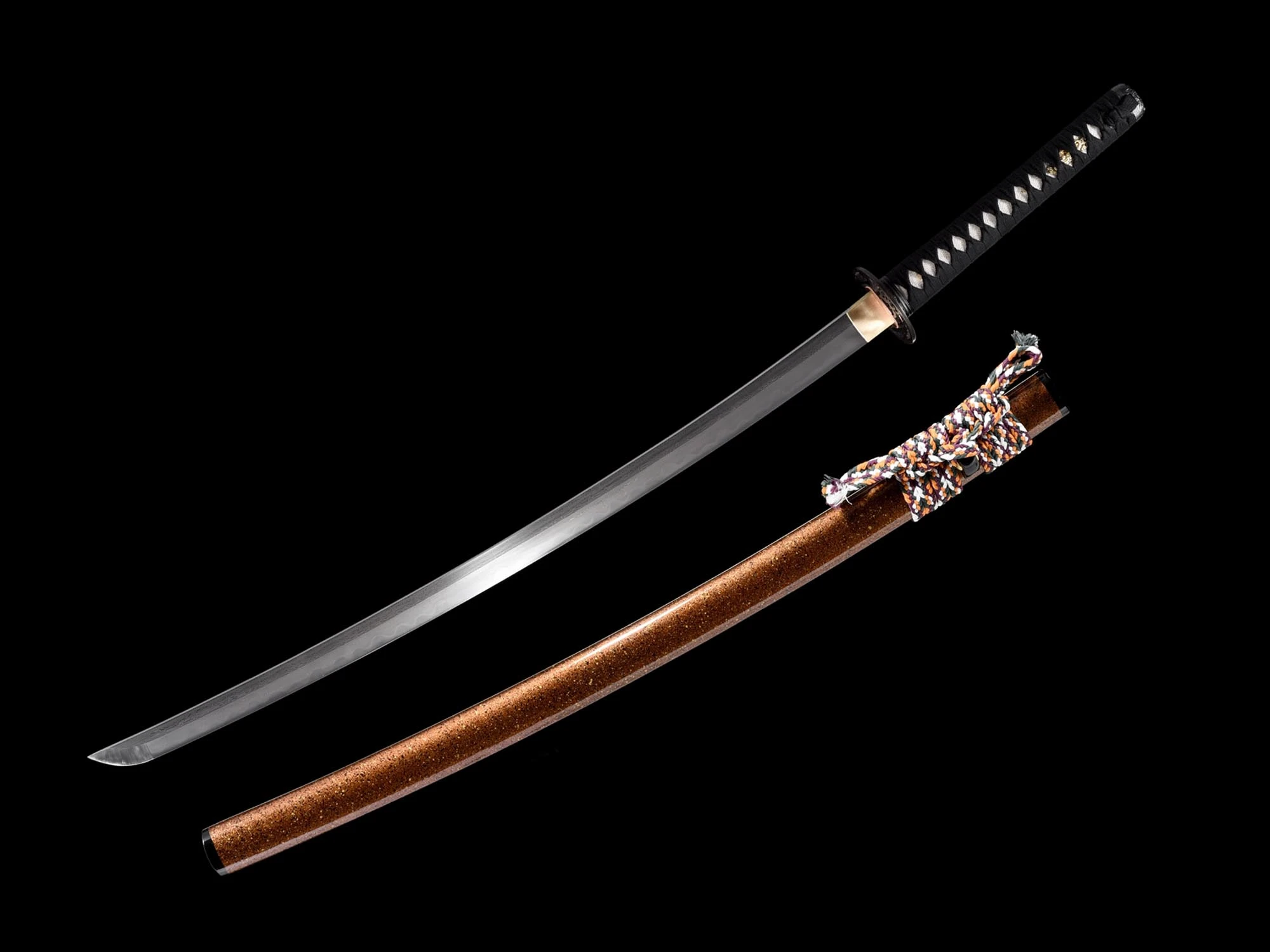
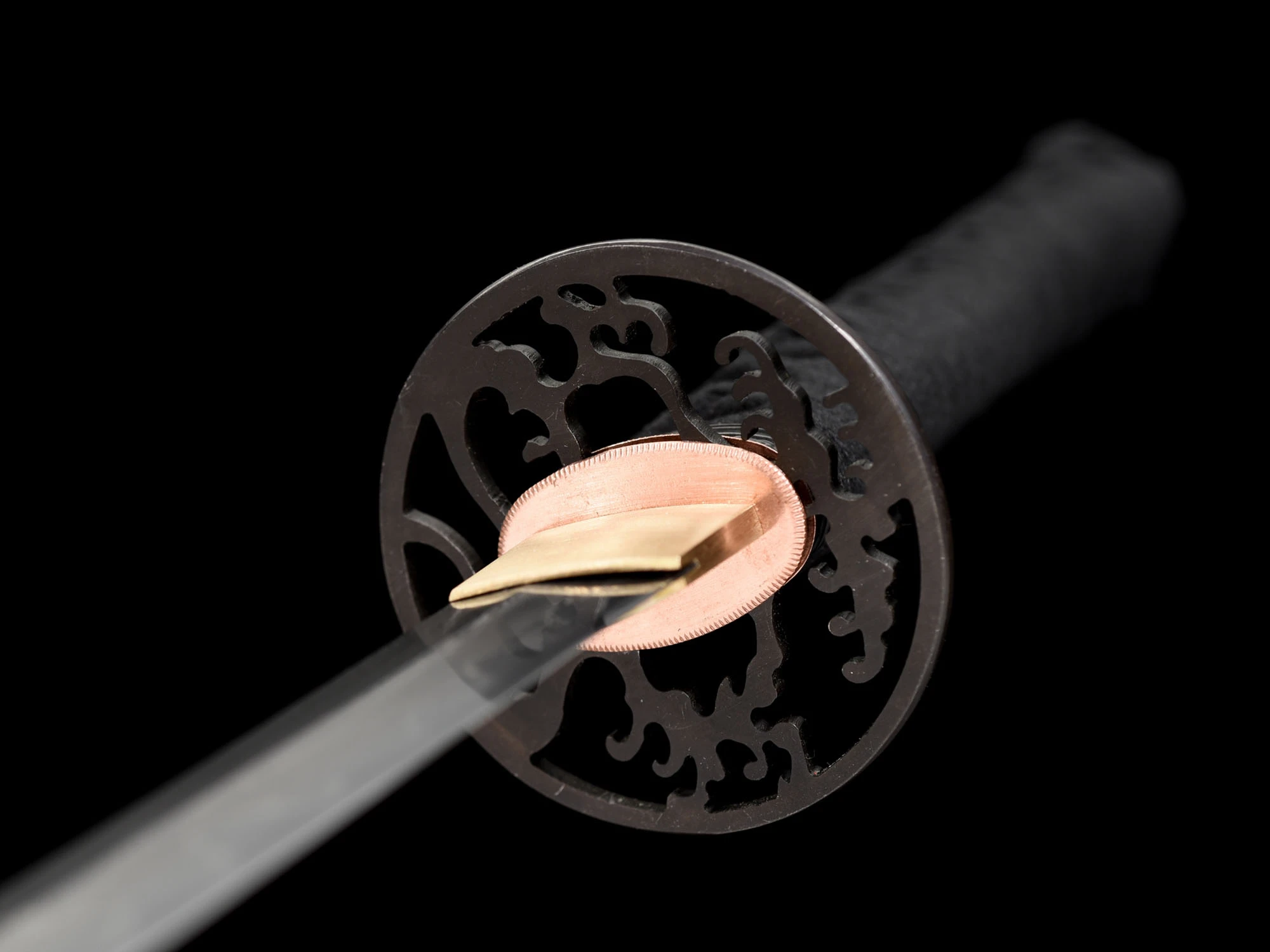
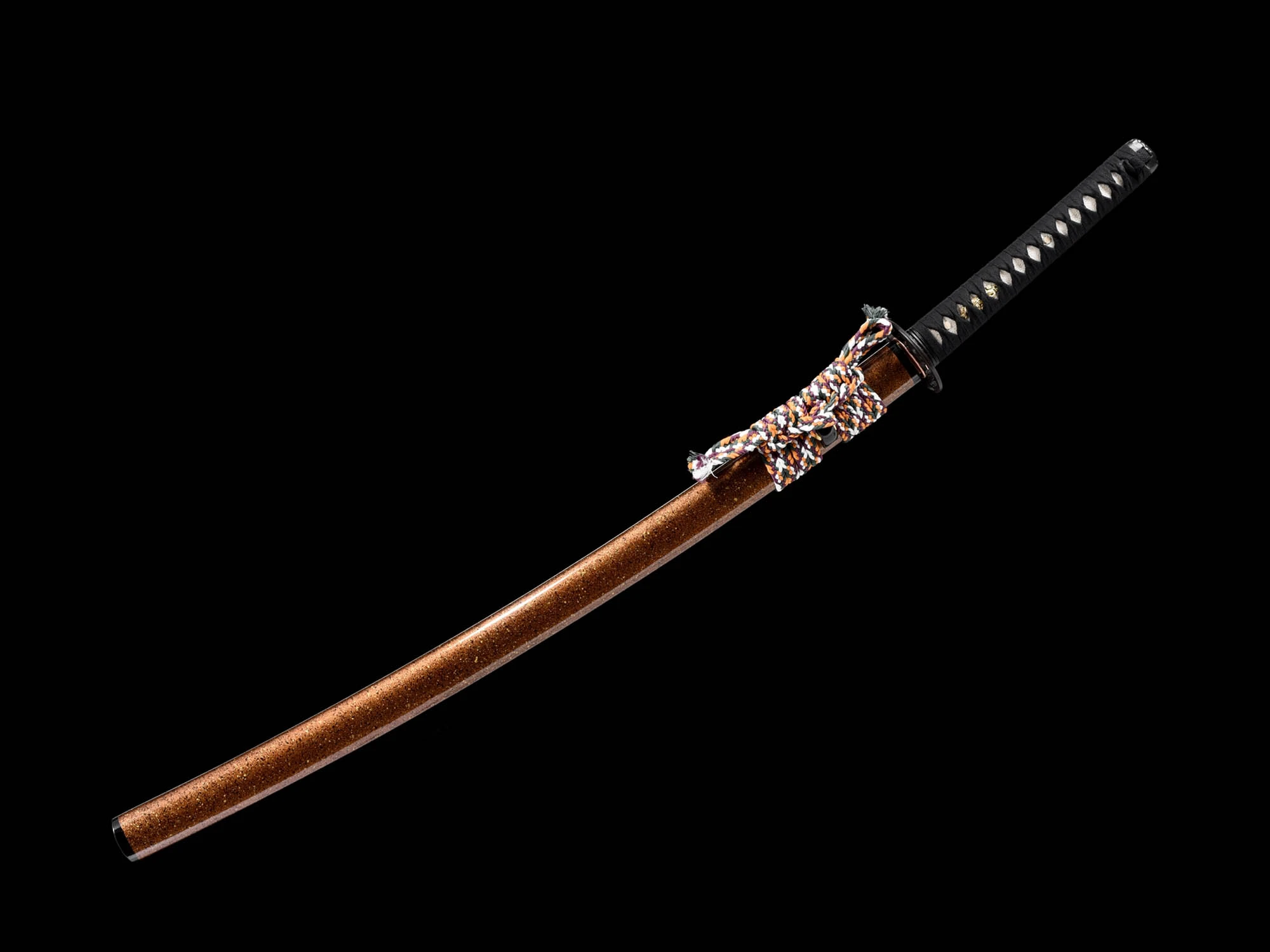
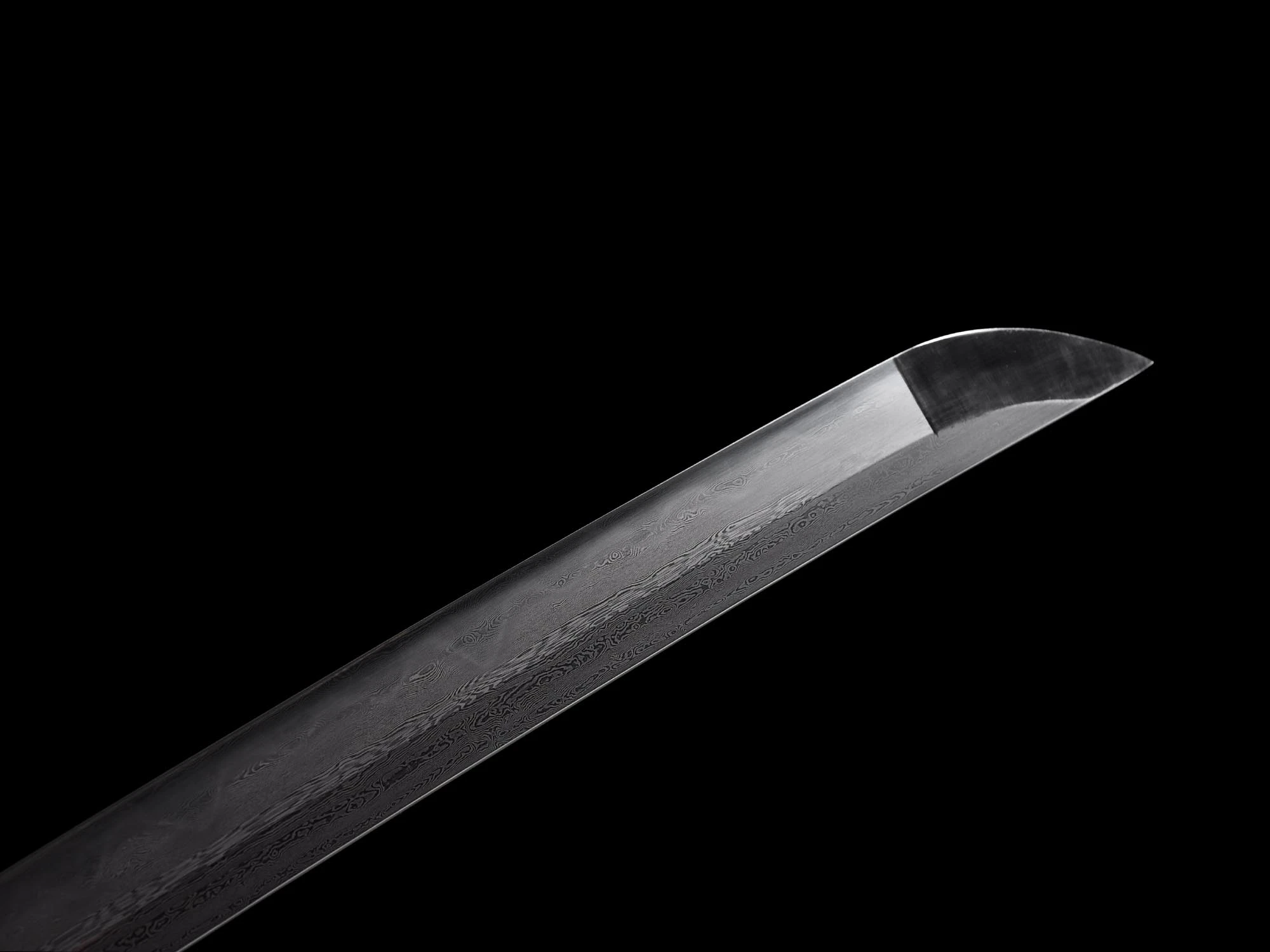
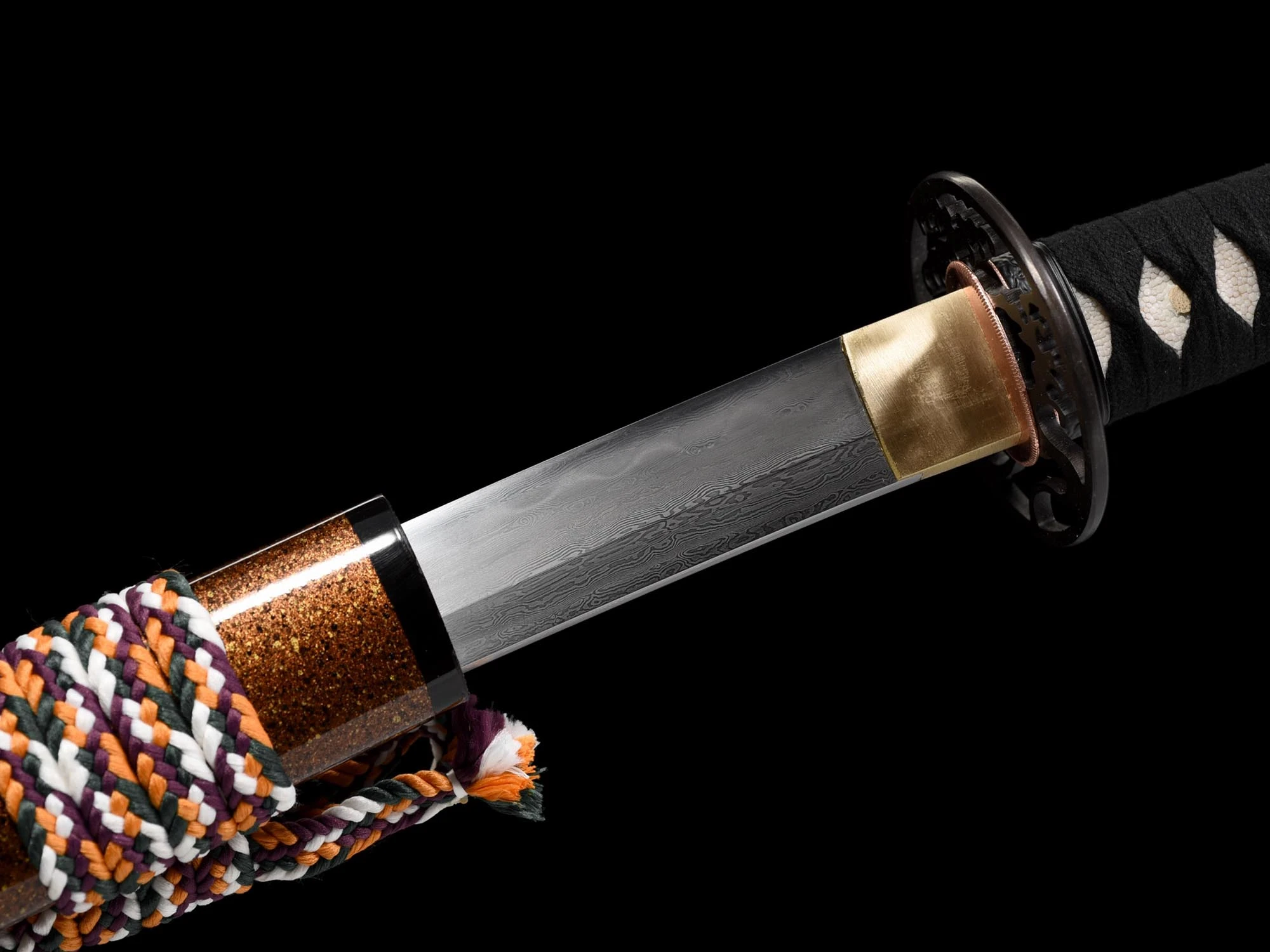
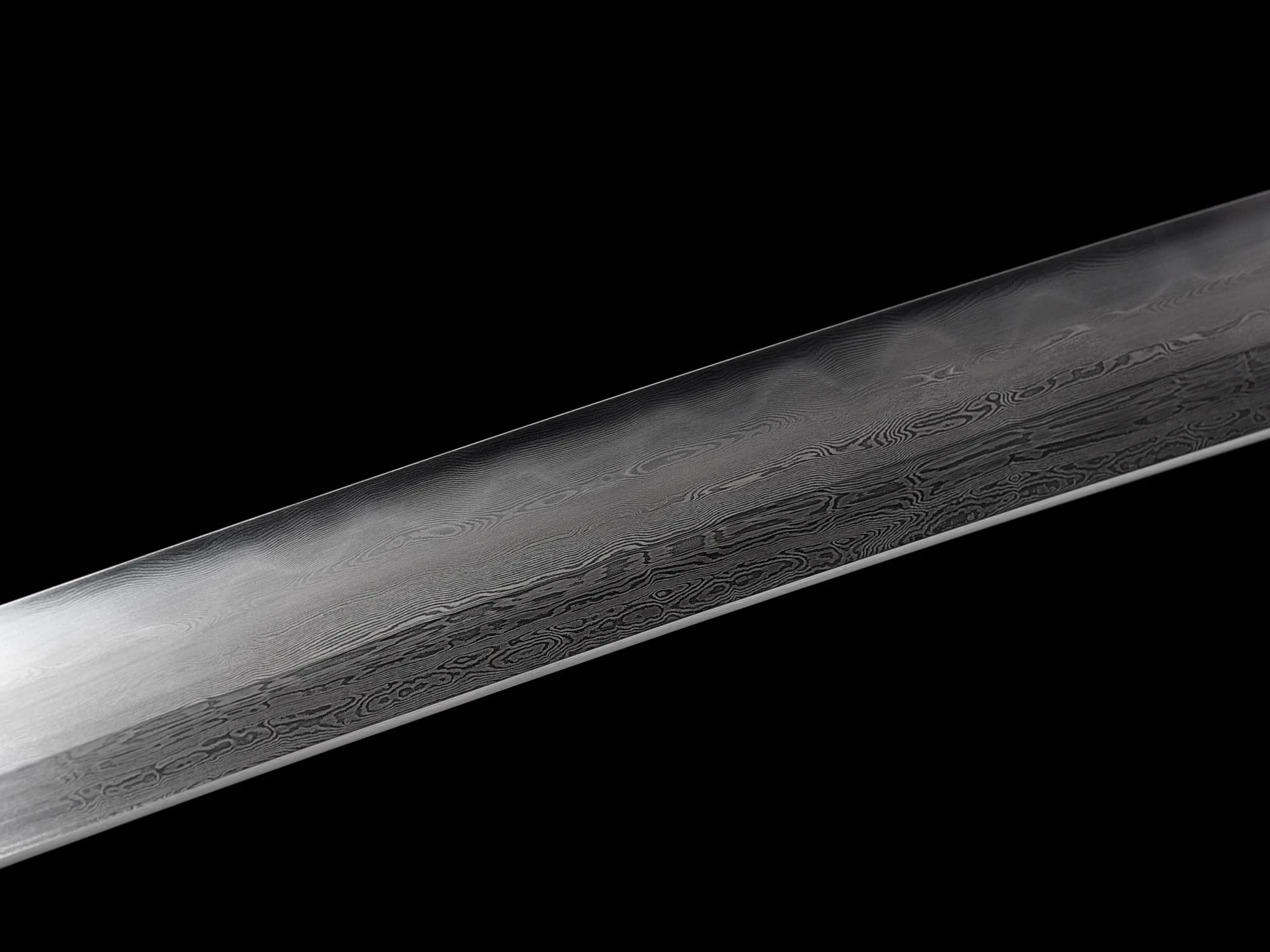
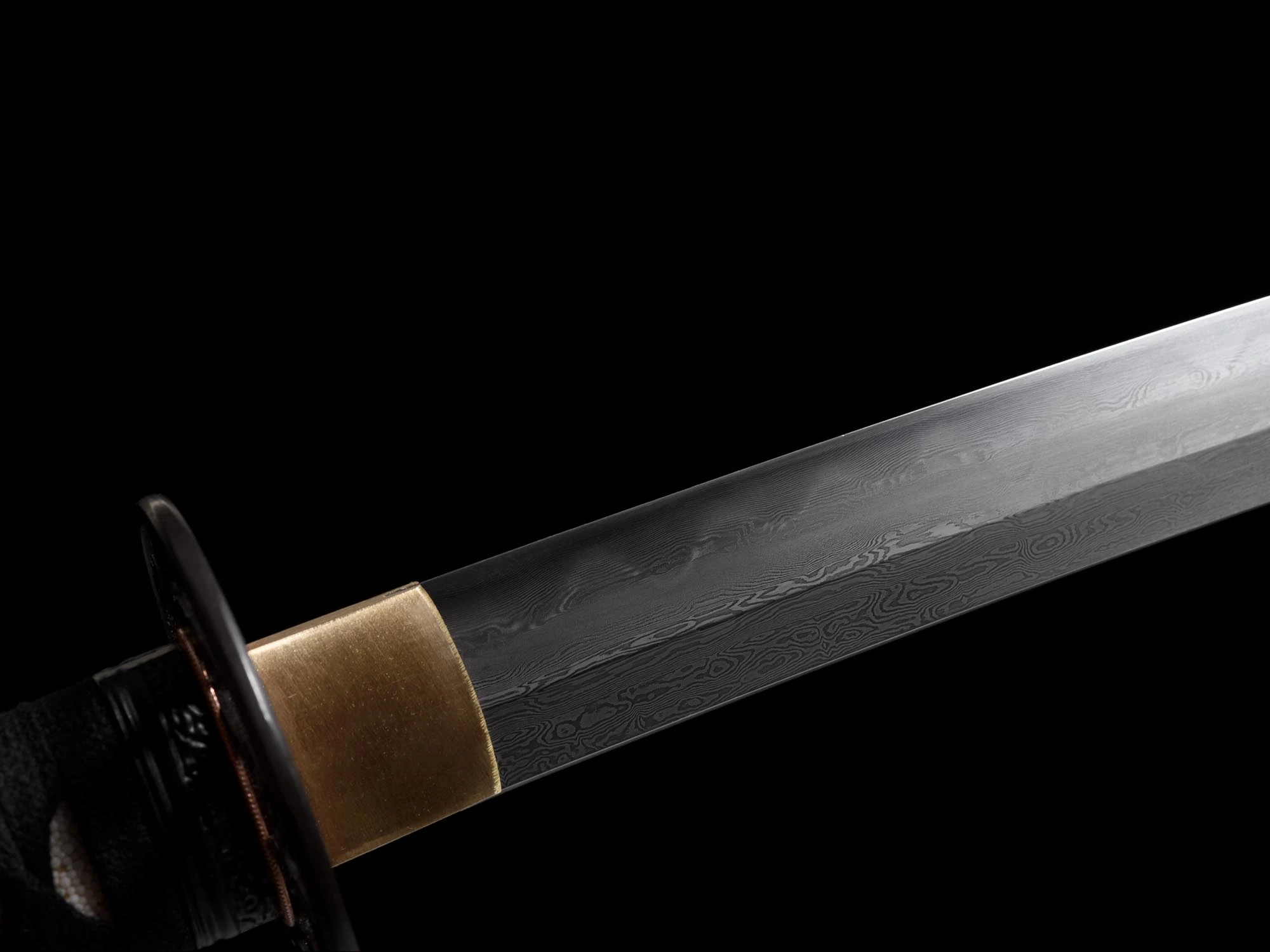
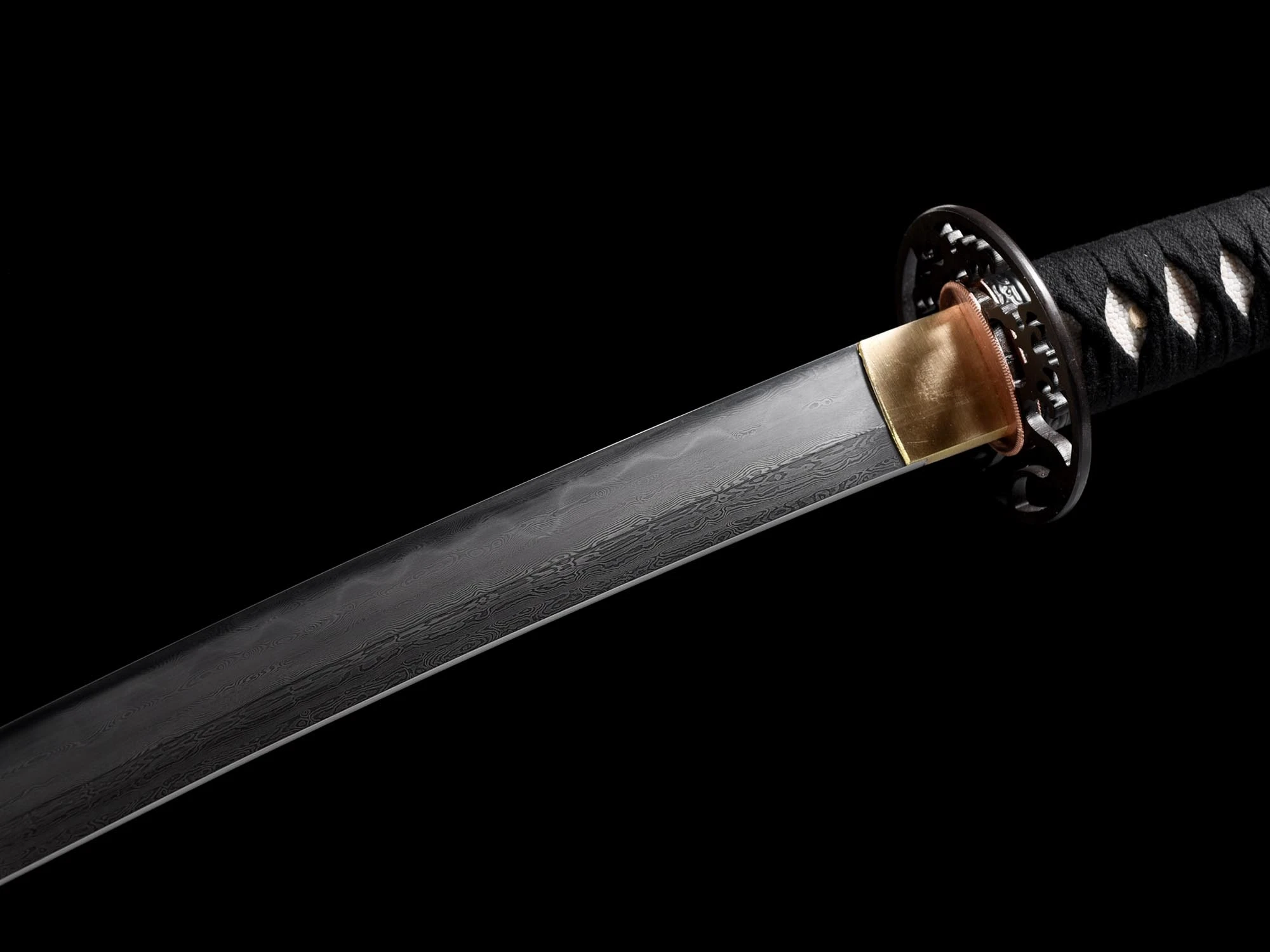
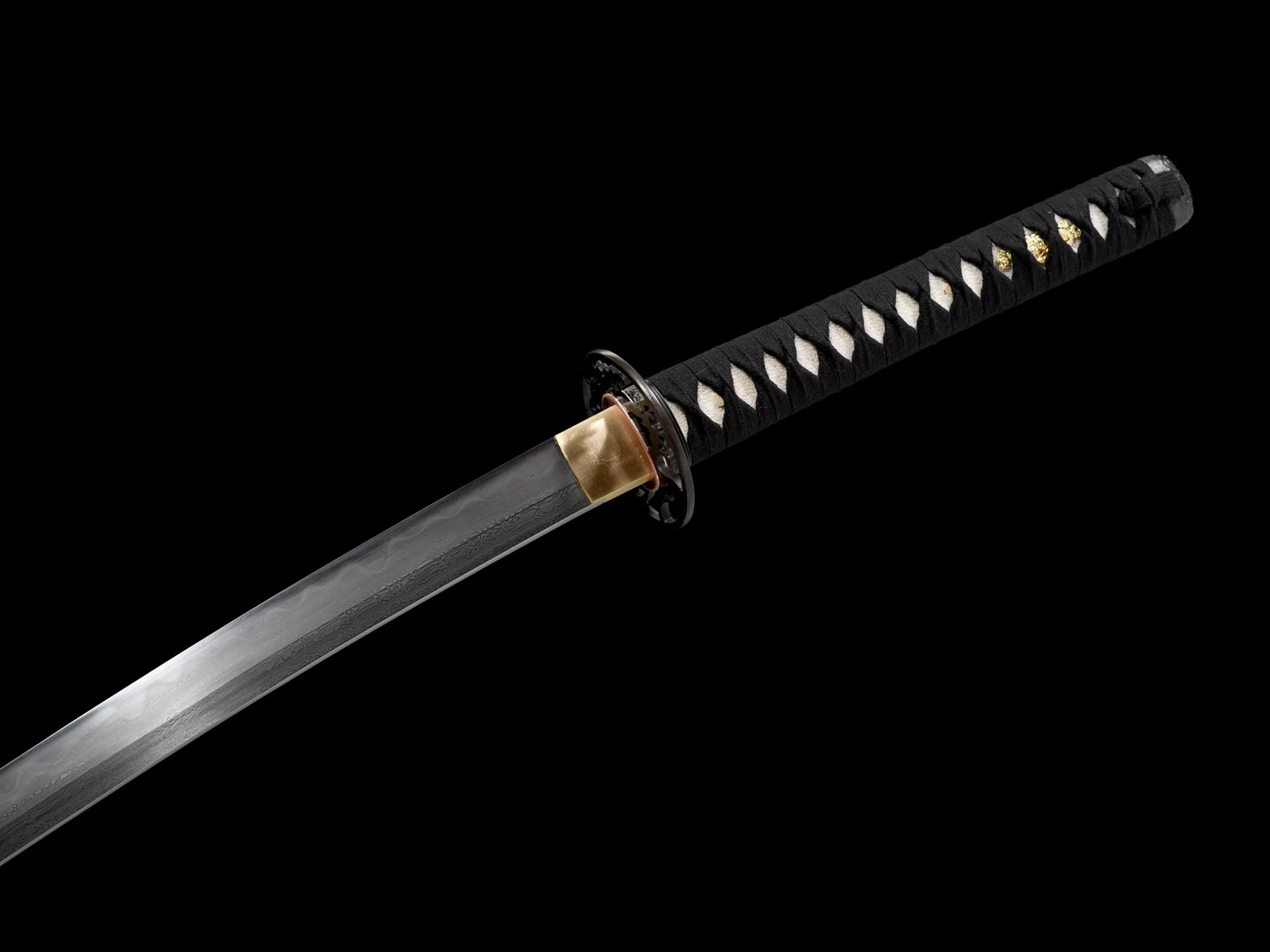
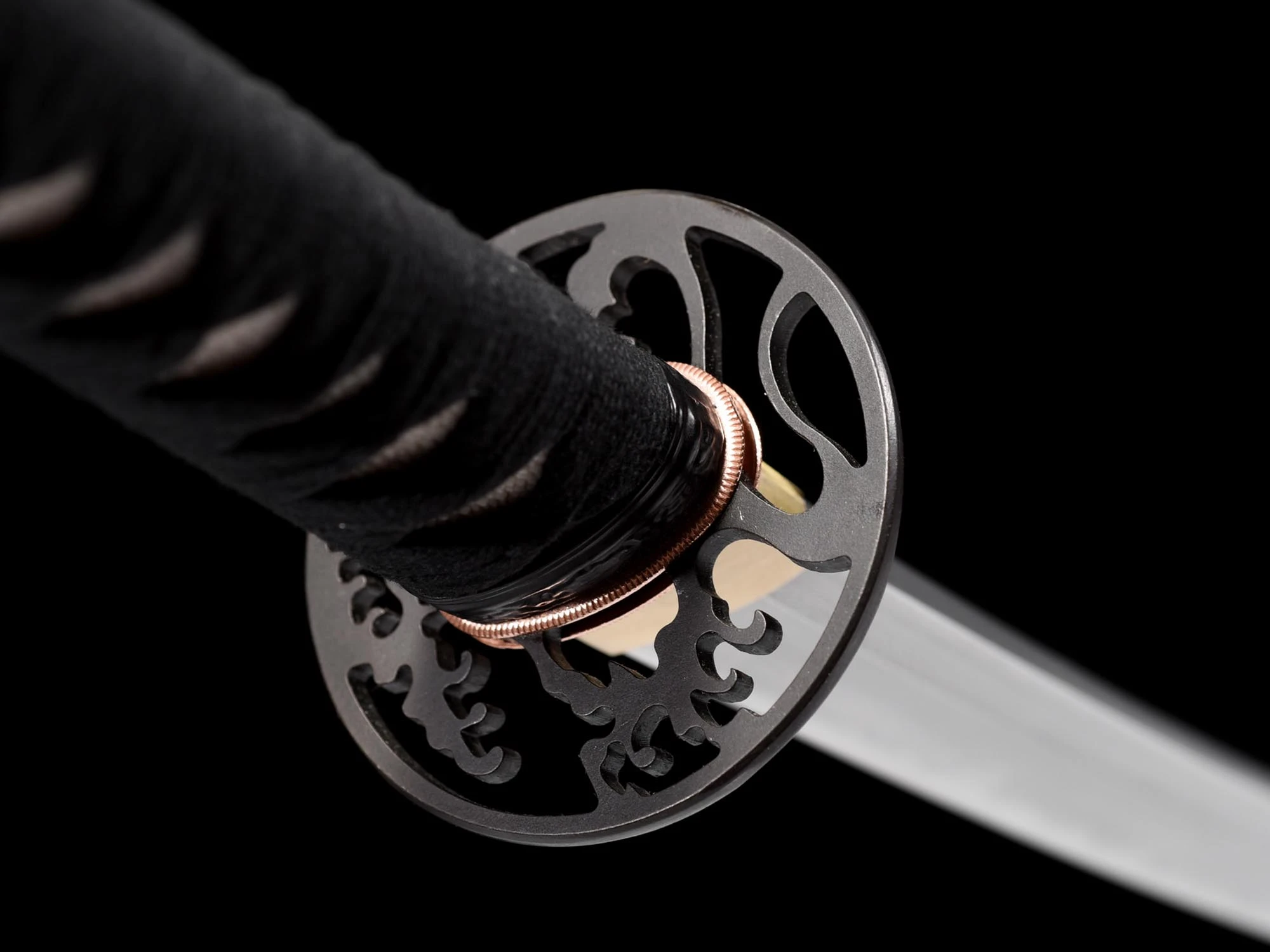
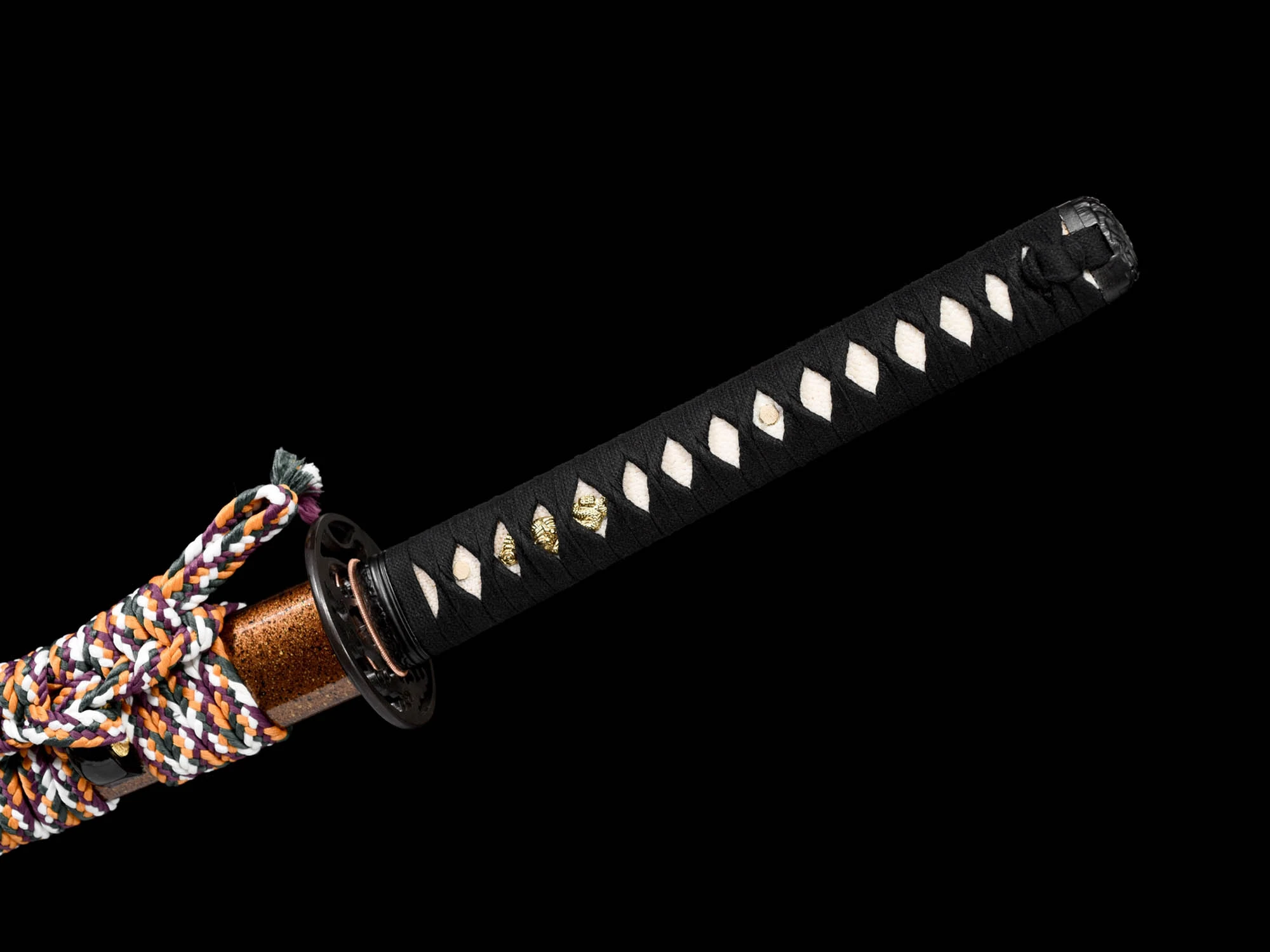
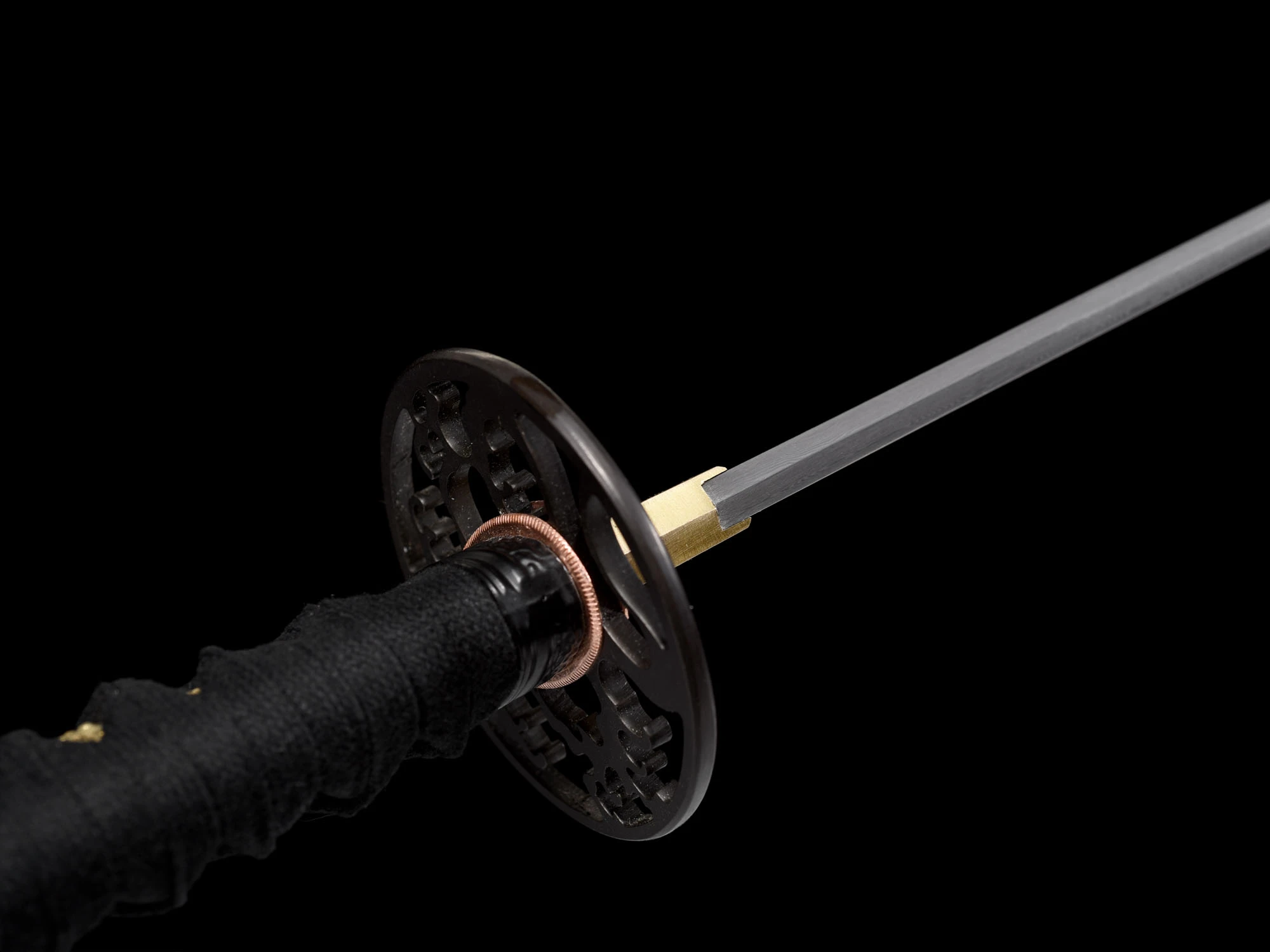
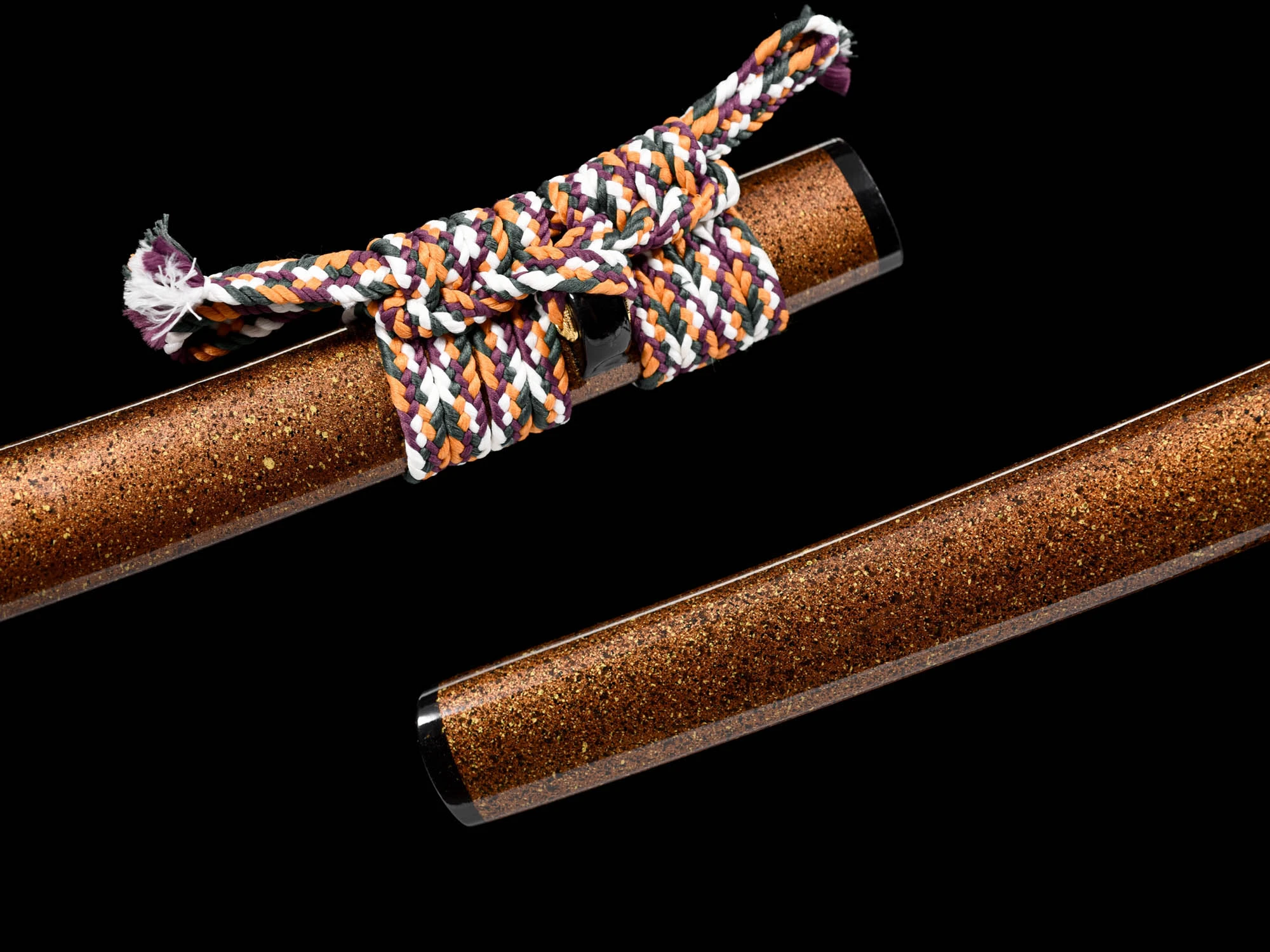
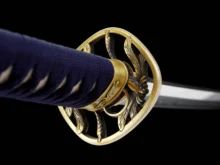
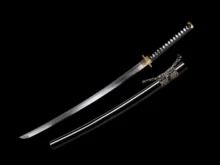
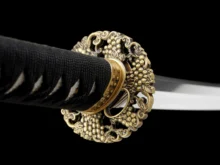
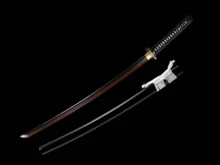
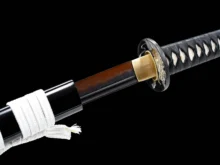
Handmade Battle Ready Sword Japanese Samurai Katana Folded Steel Clay Tempered Blade Iron Tsuba
$218.00
| Overall Length | 40.5 inches (103cm) |
|---|---|
| Blade Length | 28 inches (71cm) |
| Handle Length | 10.6 inches (27cm) |
| Blade Material | 1095 Folded Steel + Clay Tempered with Water Quenched |
| Blade Shape | Shinogui-Zukuri |
| Handle Material | Hardwood+Genuine Rayskin |
| Tsuba Material | Iron |
| Scabbard Material | Hardwood |
| Sori(Curve) | 1.9cm |
| Weight | 2.65 lbs (1.2 kg) |
| Condition | Brand new, Includes certificate and sword bag |
| Dimensions | 41 × 3.5 × 3.5 in |
- The sword is well assembled with saya and swod bag.
- Box and stand are not included.
- All of our sword will be professionally checked before shipping out, the sword will be well packaged by a foam box to protect from damage during the shipping process.
- Satisfaction Guaranteed
- No Hassle Refunds
- Secure Payments
1. Material Selection: Choose Premium Steel to Lay a Solid Foundation
We adopt a combination of high-carbon steel and low-carbon steel (commonly T10 high-carbon steel + wrought iron / 1045 low-carbon steel). The obvious carbon content difference between the two steels lays the foundation for layered patterns and balanced overall performance after folding forging. All raw materials are inspected to ensure no impurities or cracks with uniform texture, guaranteeing the quality of the initial blade blank.
2. Folding Forging: Form Layered Texture & Optimize Steel Performance
Steel Lamination: Cut high-carbon steel and low-carbon steel into standard steel billets. Clean the surface oxide layers, stack them layer by layer and fix by welding to form composite steel billets and avoid separation during forging.
High-temperature Heating: Heat the steel billet in a forge to 1000-1200℃ until it turns translucent orange-red with good plasticity for shaping and hammering.
Repeated Folding & Hammering: Hammer the heated billet continuously. Fold the steel after shaping, then reheat and forge again. Repeat 10 to 30 times. This step removes internal impurities, densifies the metal structure, and forms thousand-layer folded patterns. The interleaved soft and hard steel layers balance toughness and hardness, preventing cracking or bending.
Primary Blade Shaping: Forge the compacted layered steel into a preliminary blade outline, trim the contour and remove excess corners to finish the basic blank forming.
3. Blade Blank Refinement: Polish Shape & Ensure Processing Precision
Cut and grind the folded blade blank to adjust the length, width and radian, and confirm the proportion and shape of the cutting edge, spine and tang.
Finely polish the blank to remove forge scale and burrs, keeping the blade surface flat and smooth. It prepares well for subsequent clay coating and quenching, avoiding performance defects caused by impurities.
4. Clay Coating: Ancient Clay Proportioning & Precise Smearing
Traditional Clay Mixing: Mix refractory soil, charcoal powder, salt and clay in a classic ratio, stir with clean water into a thick paste. The clay formula controls heat dissipation during quenching, which is the key of authentic clay tempering.
Hand Precise Coating: After the blade blank is fully dried, spread the mixed refractory clay evenly on the spine and non-edge areas. Strictly control the clay thickness (thicker on the spine, thin near the edge), only exposing the cutting tip. Keep the coating neat and uniform to avoid temperature deviation, so as to form different performance between the blade body and edge.
5. Clay Tempering (Quenching): Temperature Control for Perfect Hardness & Toughness Balance
Uniform Reheating: Place the clay-coated blade into the forge for slow, even heating at a stable temperature of about 800-900℃ to prevent local overheating and blade deformation.
Rapid Quenching: Take out the heated blade quickly and quench vertically into normal-temperature water or oil for instant cooling. Stable and fast operation ensures uniform heat dissipation.
Principle: The clay insulation slows the cooling of the blade body, retaining excellent impact-resistant toughness. The exposed edge cools instantly to reach high hardness of 58-62 HRC. It achieves the perfect effect of tough blade body & ultra-hard sharp edge.
Natural Tempering: Leave the quenched blade at room temperature to eliminate internal stress, prevent cracking, stabilize steel properties and enhance service durability.
6. Trimming & Polishing: Sharpen Edge & Present Craft Aesthetics
Clay Removal: Clean off the surface clay gently to reveal natural unique temper hamon lines. The thousand-layer folded texture complements the quenching hamon, possessing high artistic collection value.
Edge Sharpening: Finely grind and sharpen the hardened cutting edge for lasting sharpness and excellent cutting & chopping performance.
Overall Fine Polishing: Repeatedly polish to remove quenching oxide layers and brighten the surface, making folded patterns and hamon lines clearer. Correct minor deformation to keep the blade straight and well-shaped.
7. Final Inspection & Assembly
Inspect the overall hardness, toughness, pattern integrity, sharpness and impact resistance of the blade. After passing quality inspection, assemble accessories including tsuba, handle wrapping and sword scabbard. A finished handmade folded steel clay tempering sword is finally completed.
The whole process adheres to pure ancient handmade techniques. Every step requires precise control of temperature, strength and time. It endows each sword with irreplicable characteristics: unbeatable toughness, lasting sharpness and exclusive natural textures, combining practical cutting performance and high collectible value.
| Weight | 2.65 lbs |
|---|---|
| Dimensions | 41 × 3.5 × 3.5 in |
Related products
-
-
Hand Forge Japanese Samurai Katana T10 Steel Blade Clay Tempered Sword Dragonfly Brass Tsuba
Original price was: $259.00.$209.00Current price is: $209.00. -
-
-
-
-
-
Hand Forged Damascus Folded Steel Clay Tempered Japanese Samurai Sword Katana
Original price was: $265.00.$226.00Current price is: $226.00. -
-
Folded Steel Clay Tempered Blade Japanese Samurai Sowrd Full Tang Blade Katana
Original price was: $287.00.$247.00Current price is: $247.00.
Reviews
There are no reviews yet.