
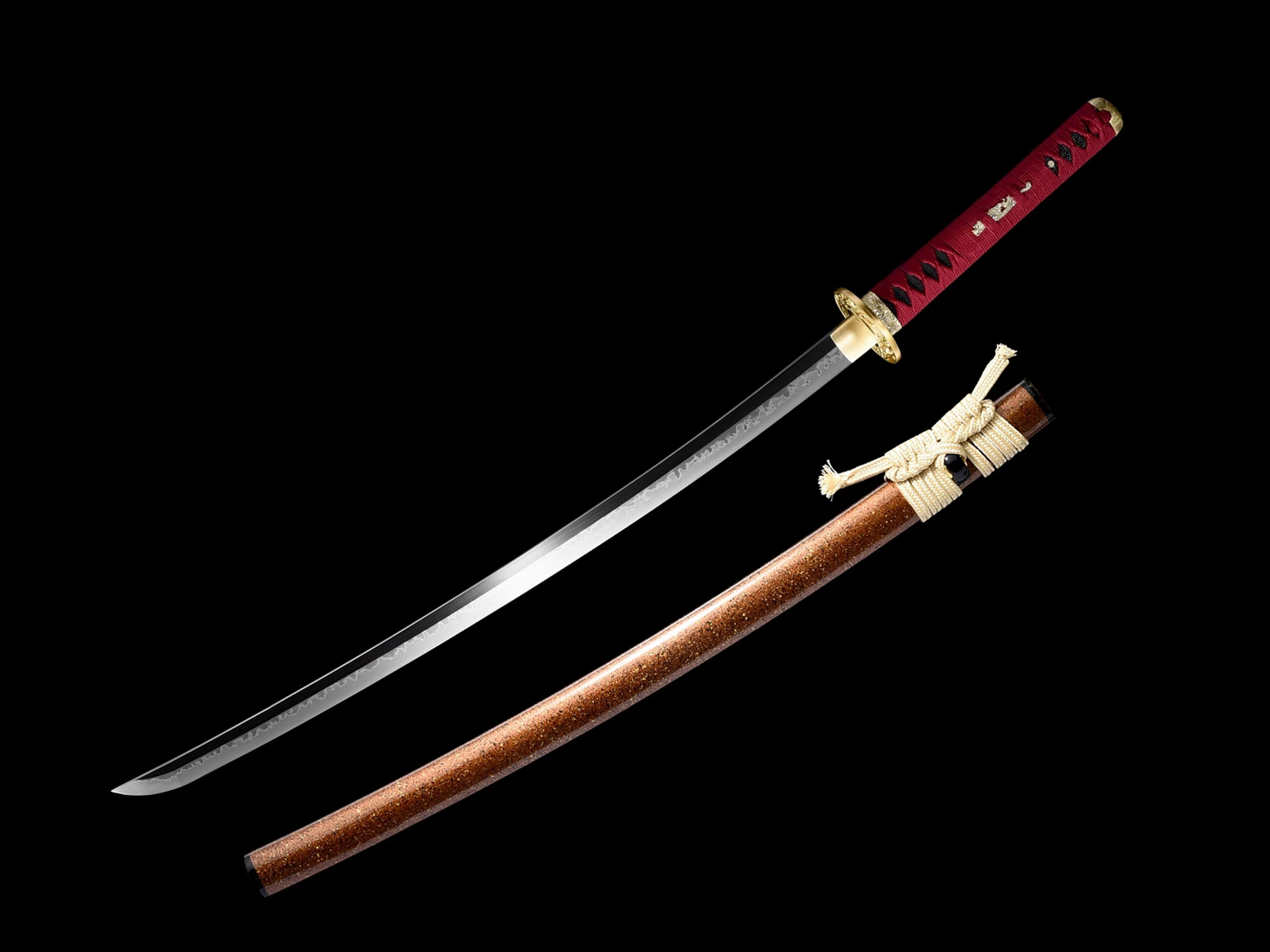
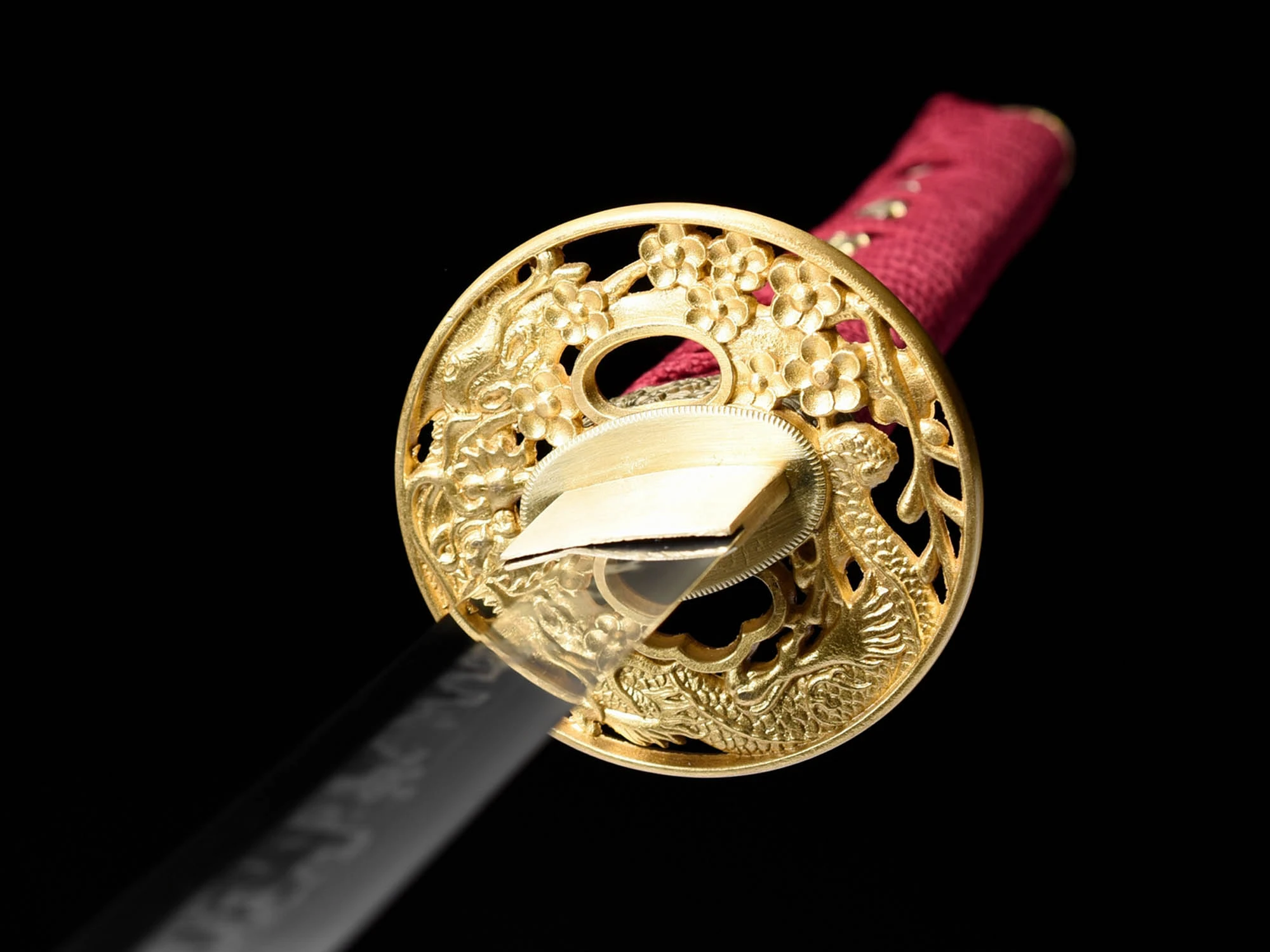
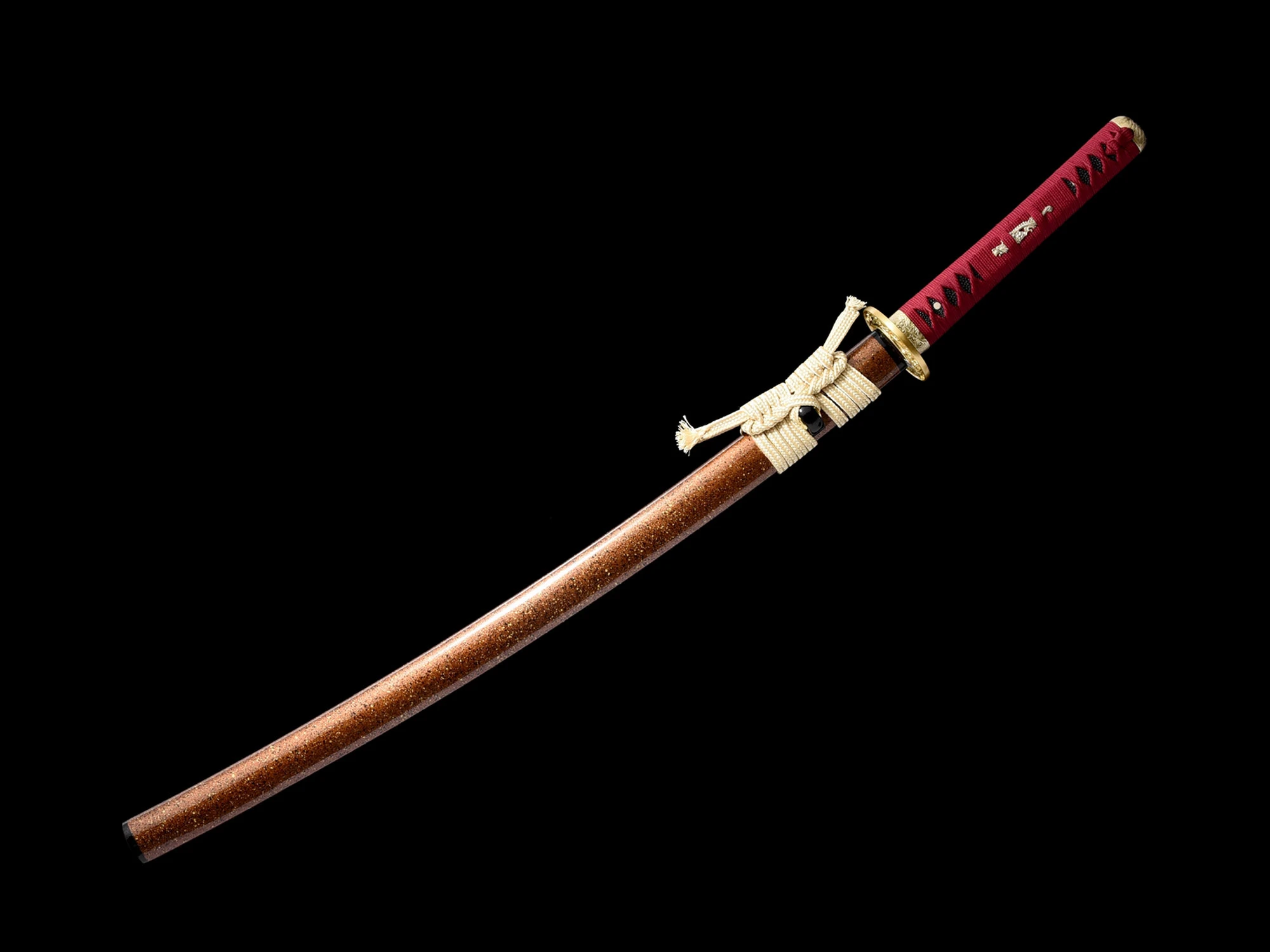
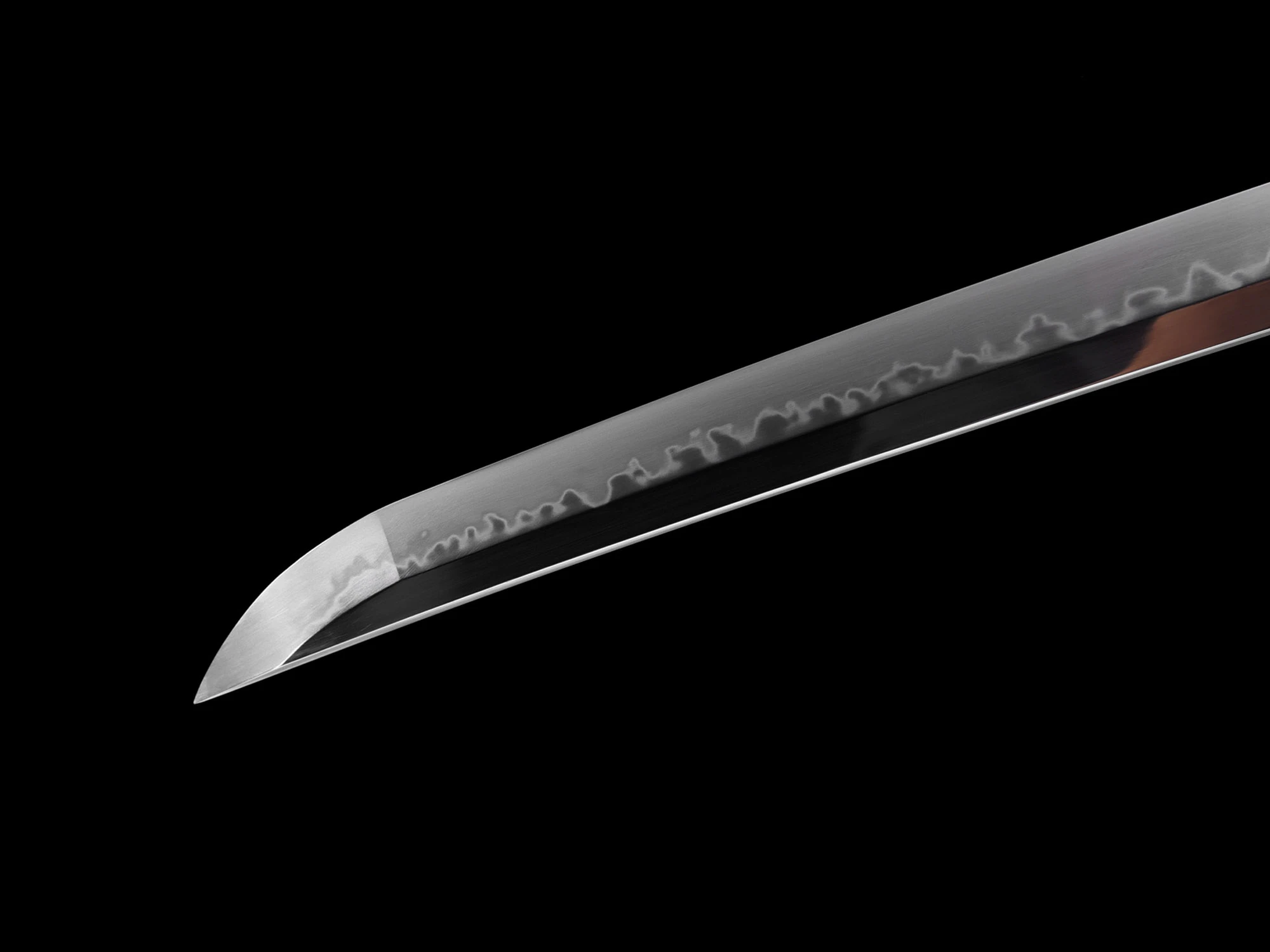
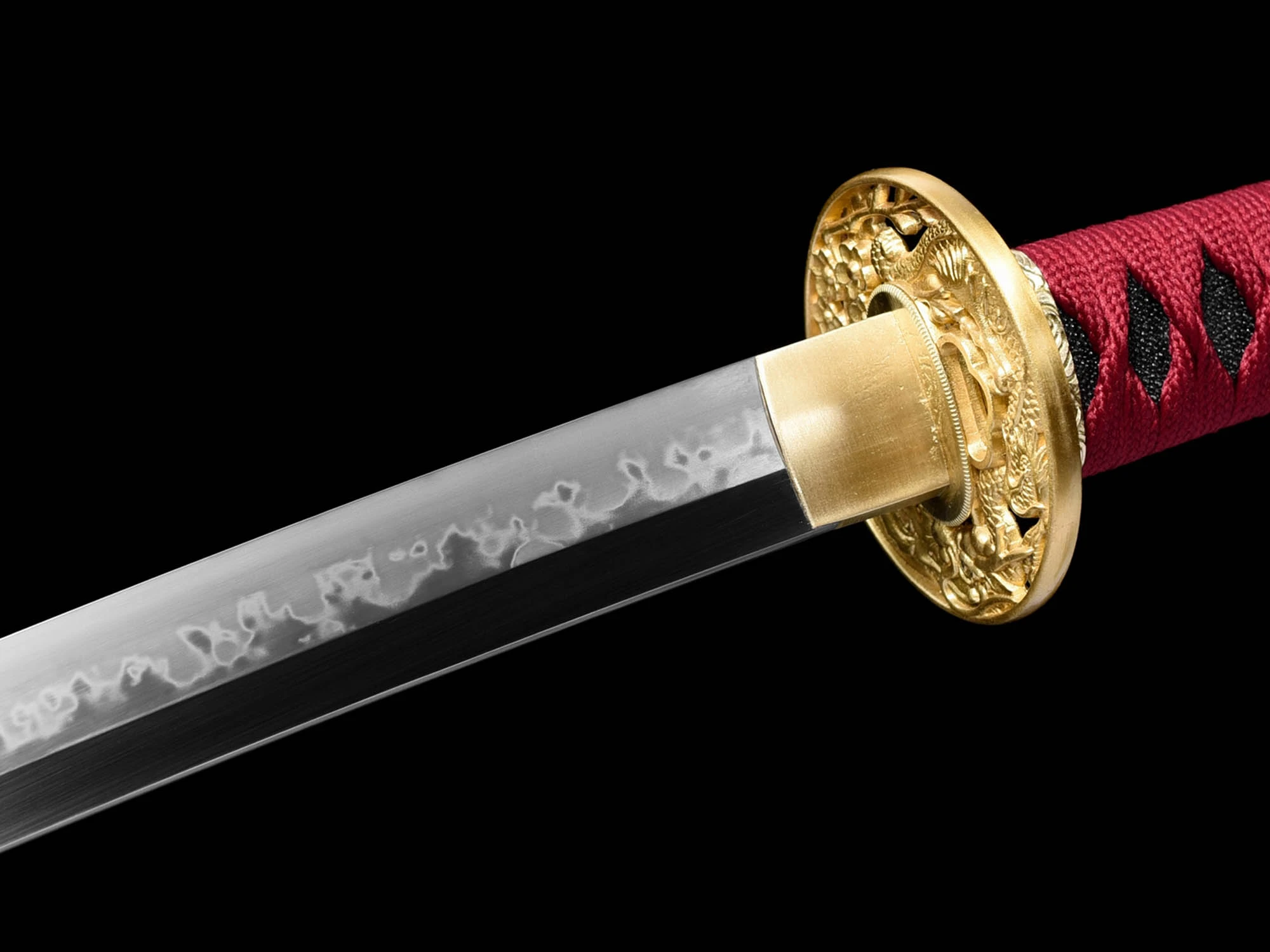
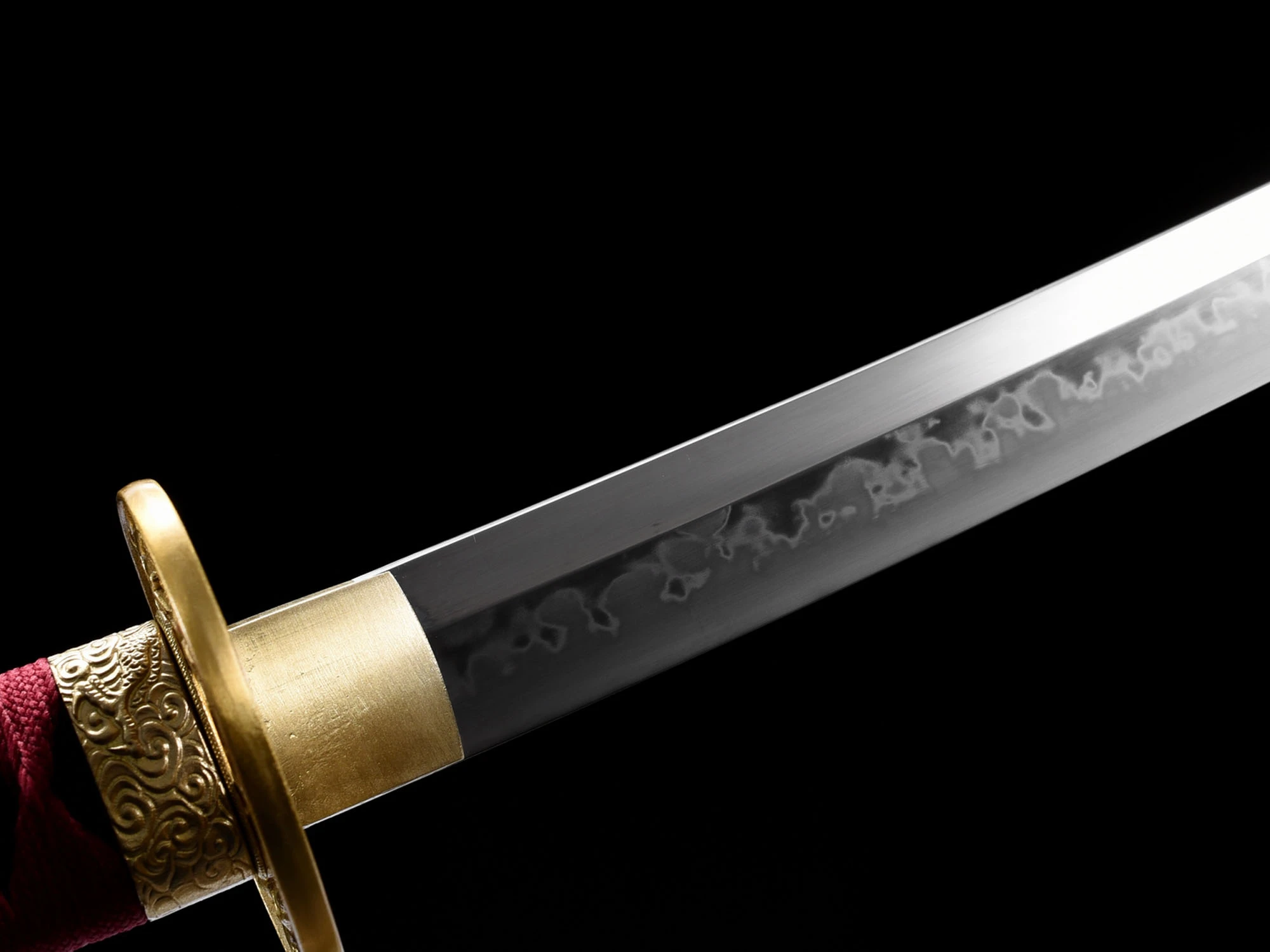
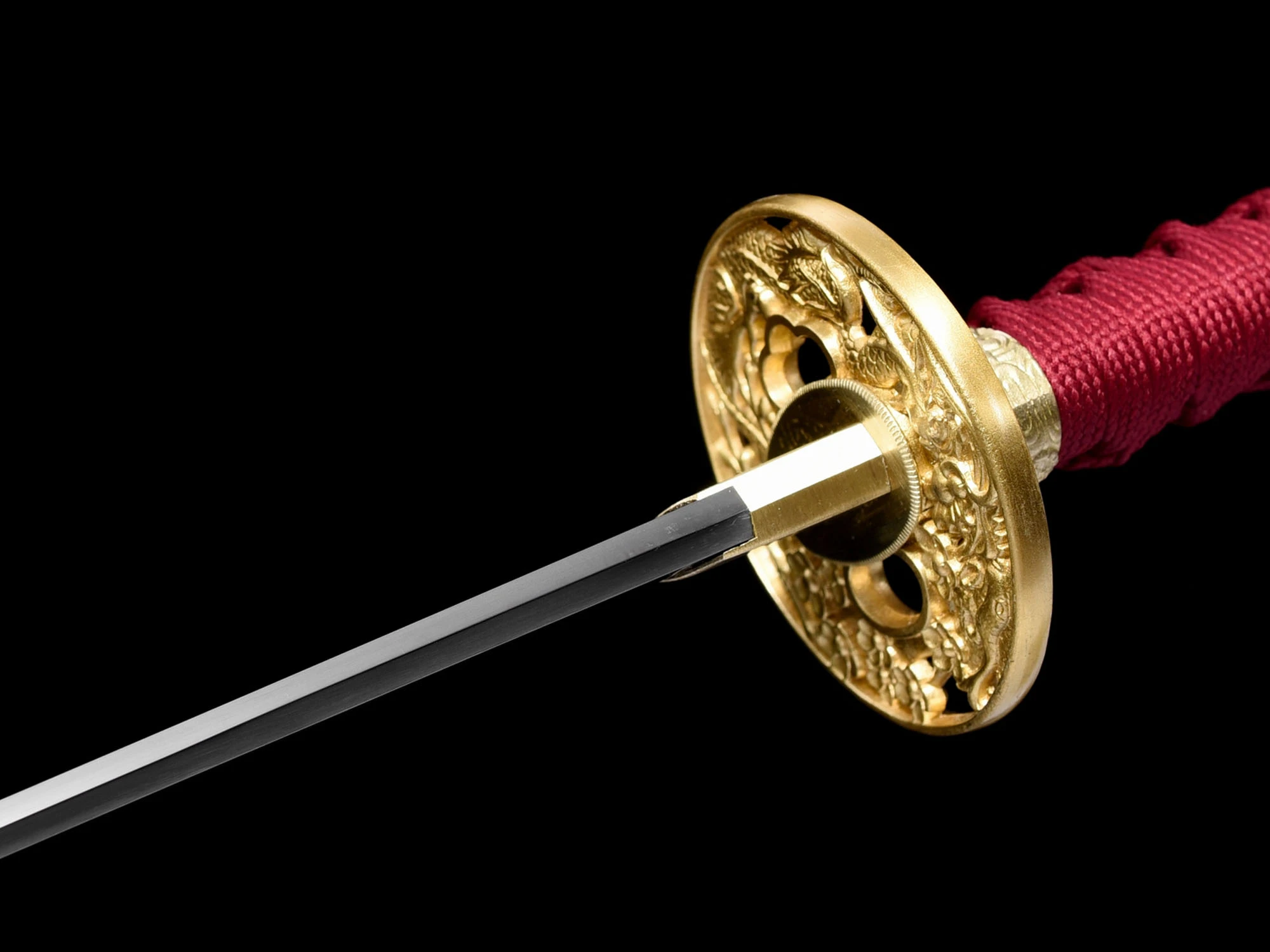
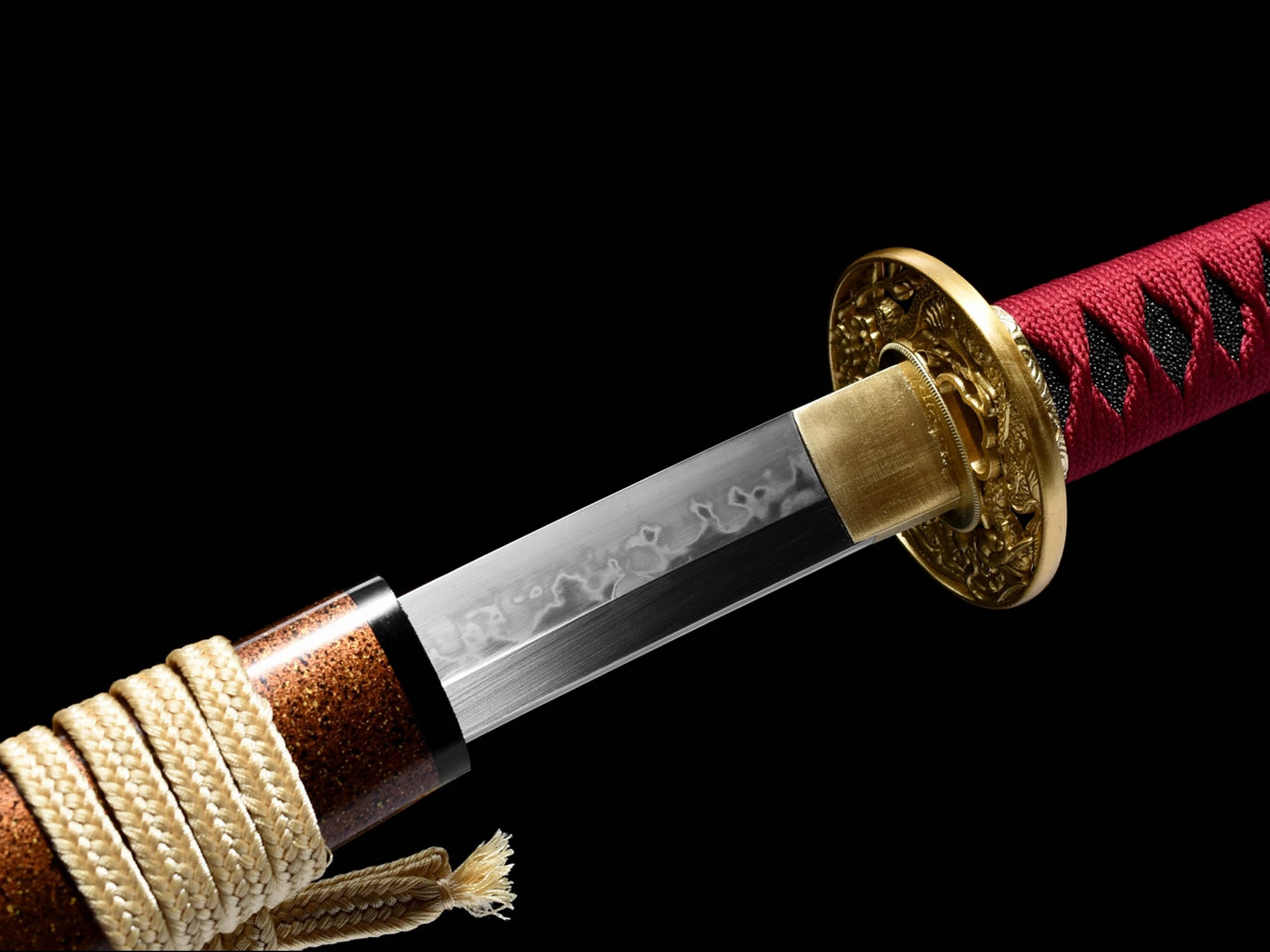
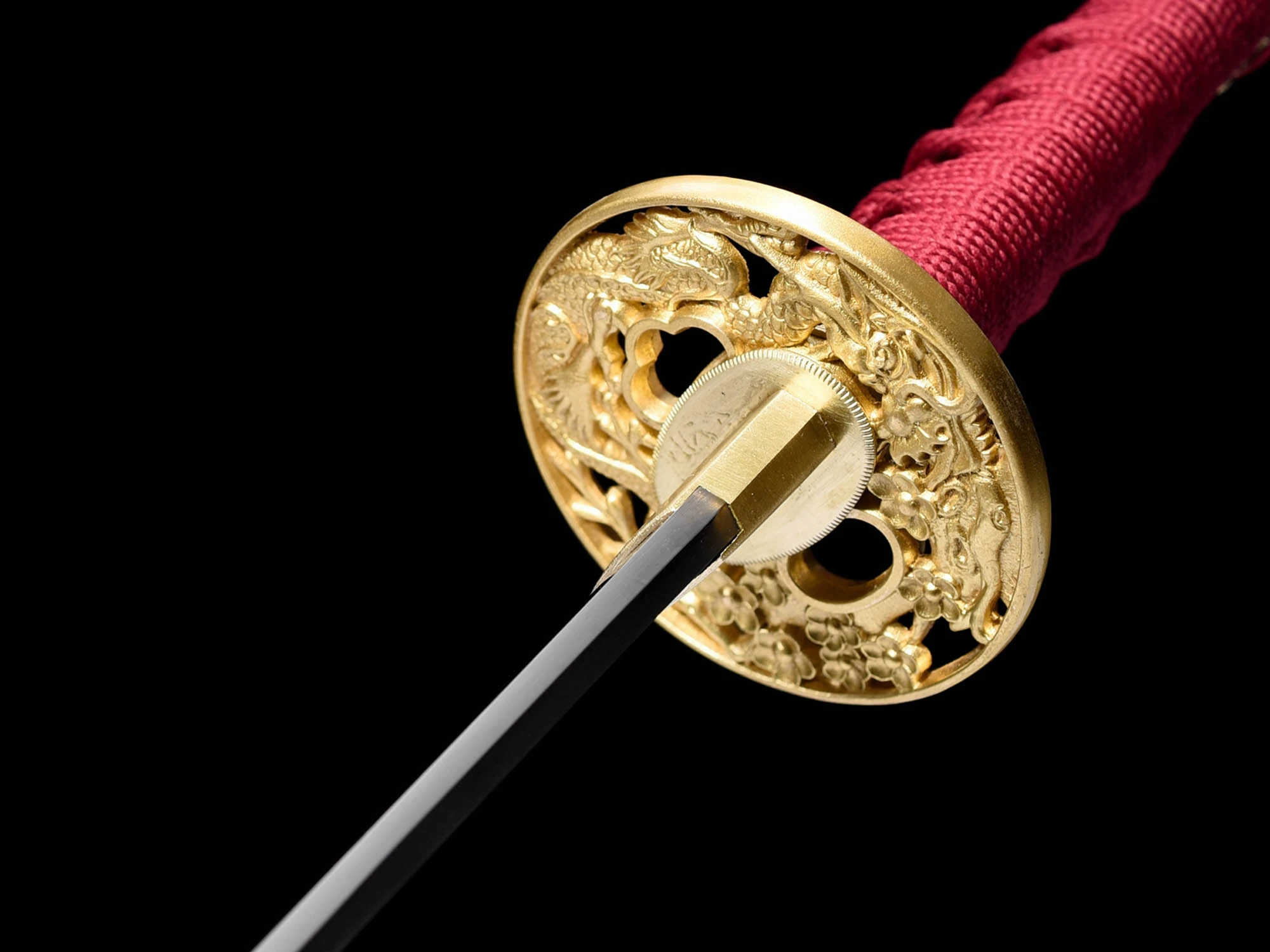
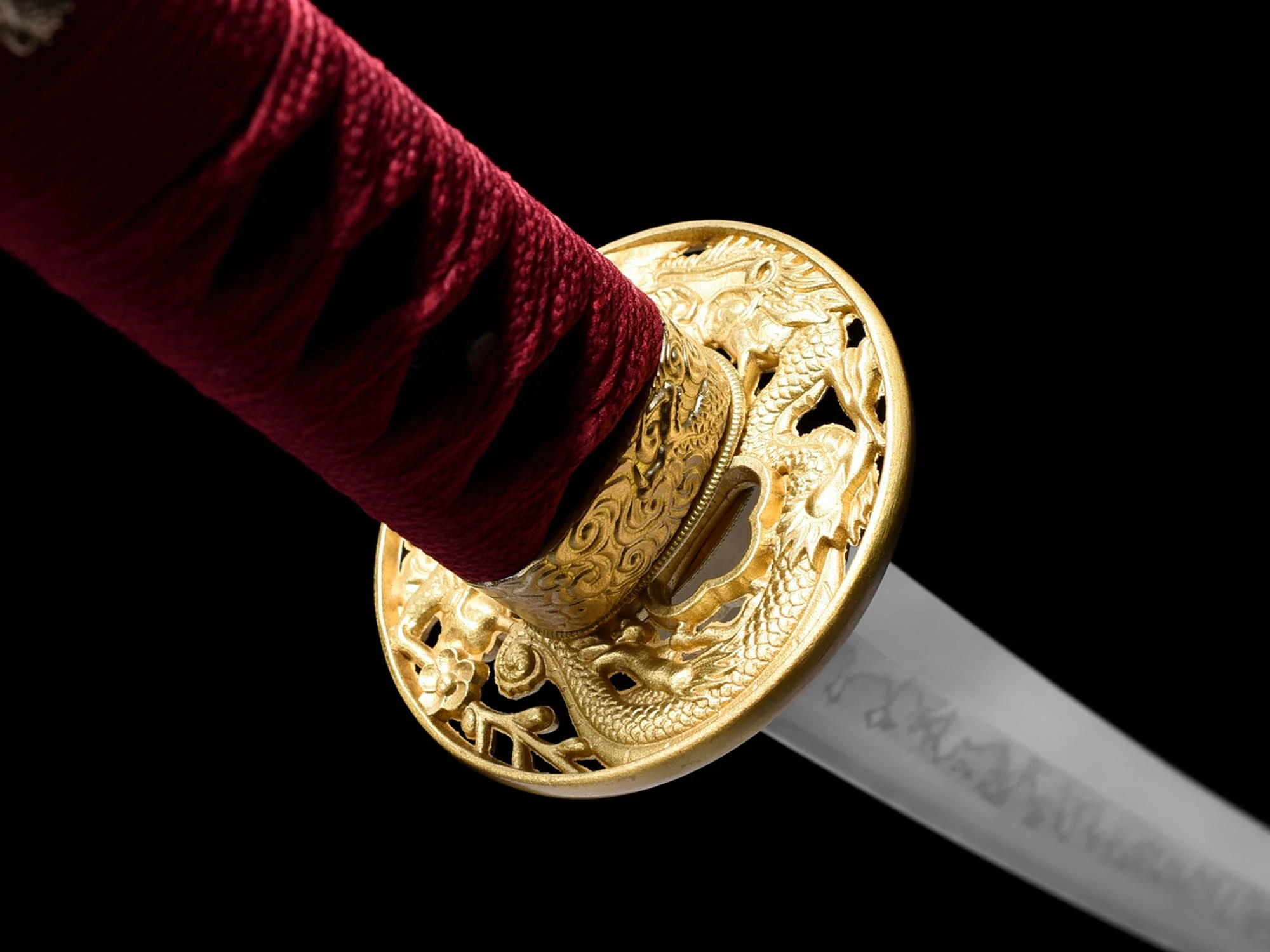
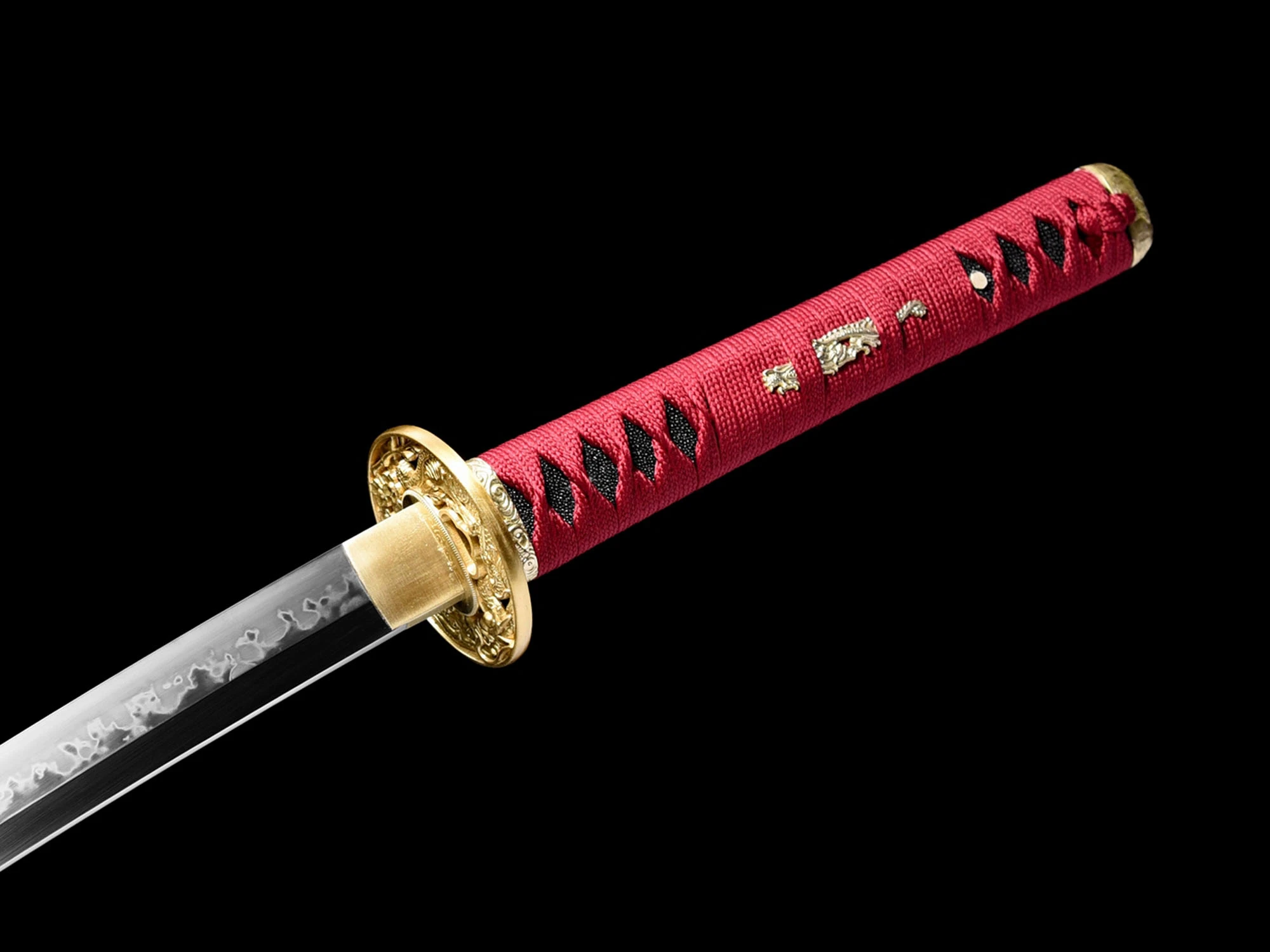
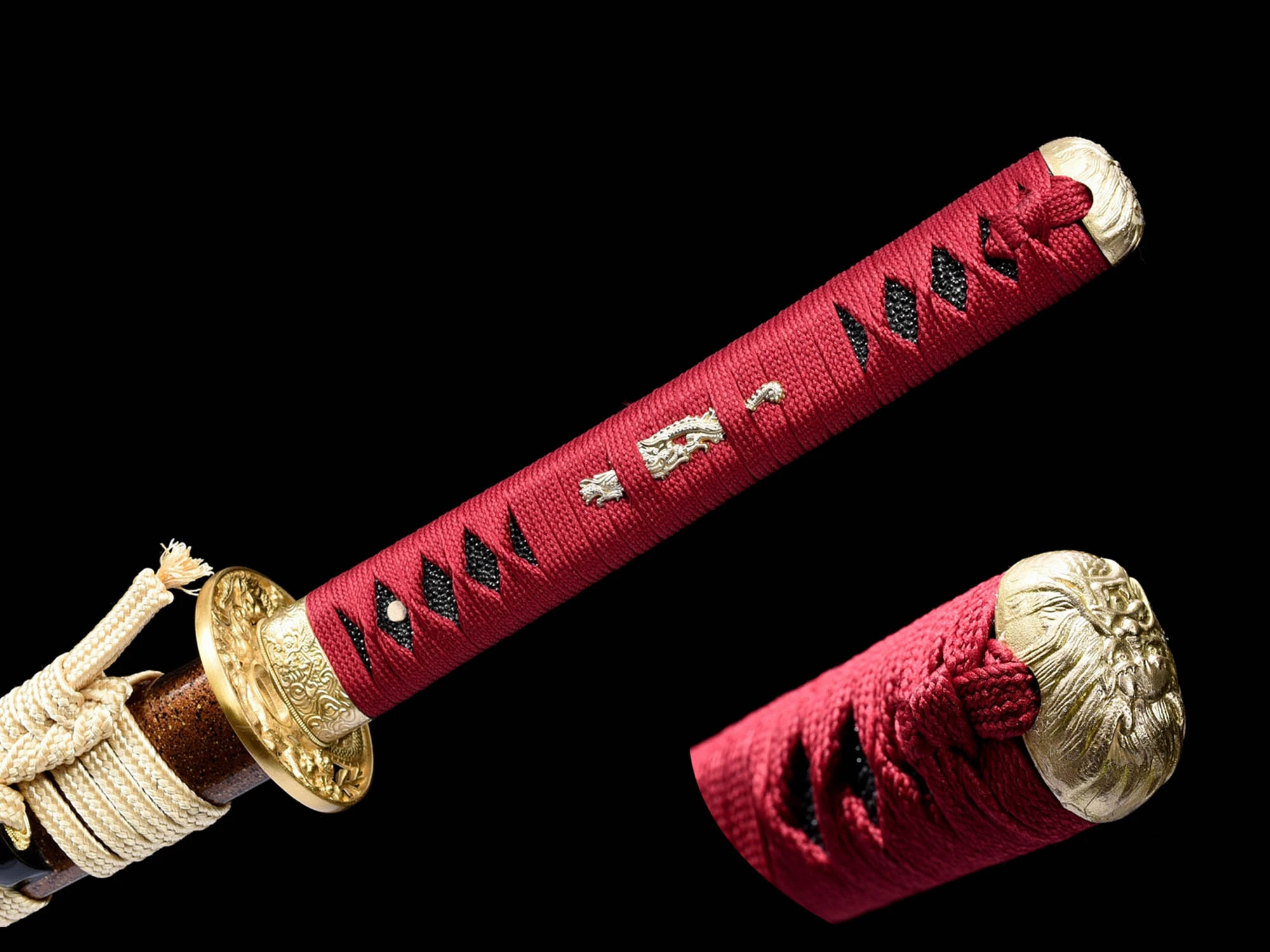
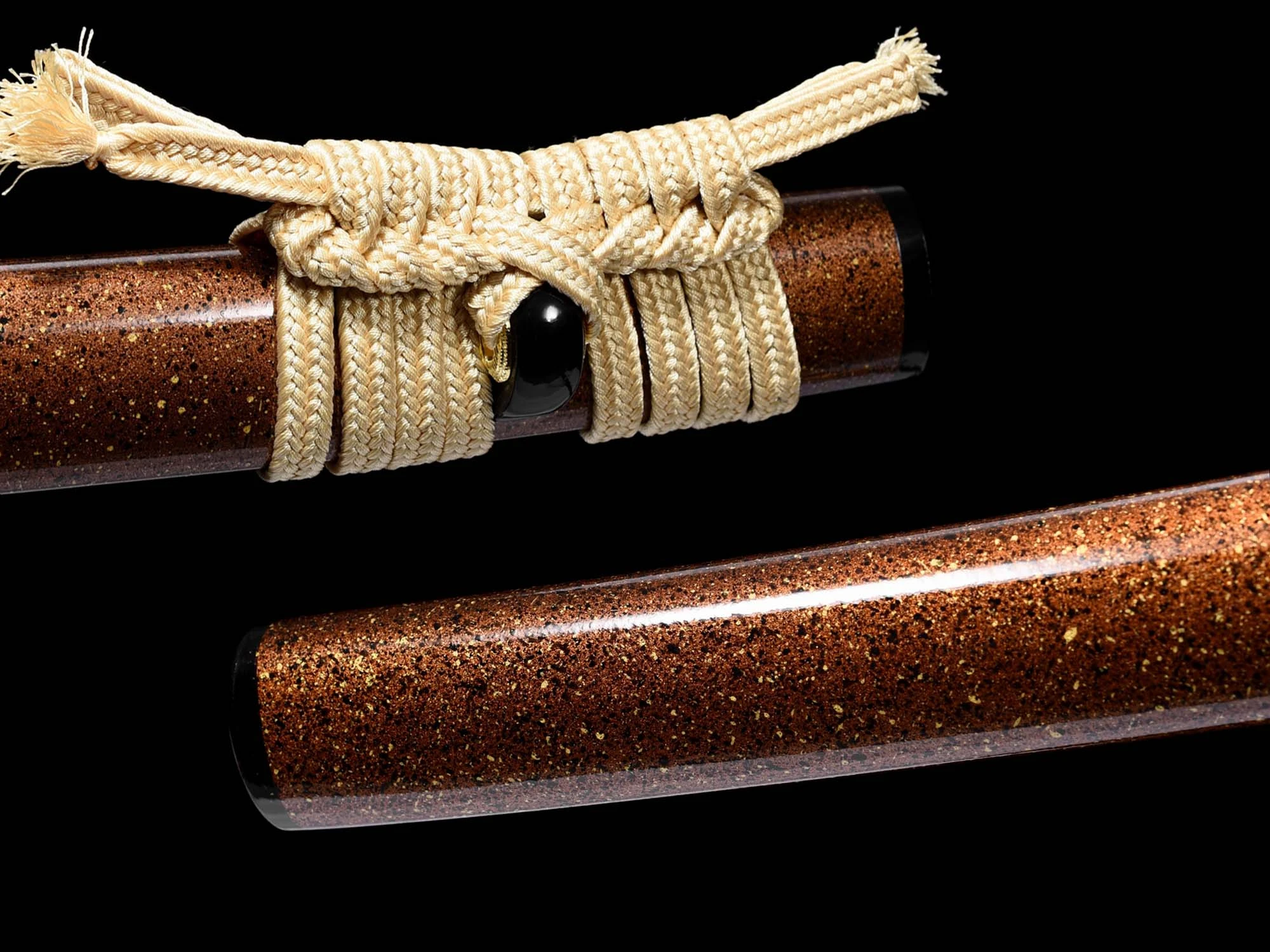
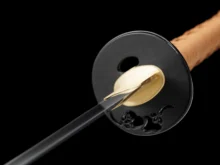
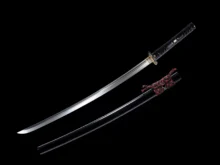
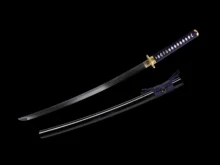
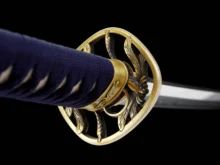
Japanese Samurai Sword Katana Choji hamon Hzuya Hand Polish Exquisite jihada patterns – Dragon Tsuba
Original price was: $296.00.$268.00Current price is: $268.00.
| Overall Length | 40.5 inches (103cm) |
|---|---|
| Blade Length | 28 inches (71cm) |
| Handle Length | 10.6 inches (27cm) |
| Blade Material | 1095 High Carbon Steel + Clay Tempered with Water Quenched |
| Blade Shape | Shinogui-Zukuri |
| Handle Material | Hardwood+Genuine Rayskin |
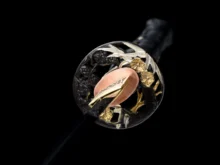
| Tsuba Material | Brass |
| Scabbard Material | High Quality Hardwood |
| Sori (Curve) | 1.9cm |
| Weight | 2.65 lbs (1.2 kg) |
| Condition | Brand new, Includes certificate and sword bag |
| Dimensions | 41 × 3.5 × 3.5 in |
- The sword is well assembled with saya and sword bag.
- Box and stand are not included.
- All of our sword will be professionally checked before shipping out, the sword will be well packaged by a foam box to protect from damage during the shipping process.
- Satisfaction Guaranteed
- No Hassle Refunds
- Secure Payments
1. Preparation & Grinding
Select solid high-purity 1095 high-carbon steel, and conduct repeated forging to remove impurities inside the steel and homogenize the metallographic structure. Then perform rough grinding to shape the overall outline of the blade and the radian of the spine, and smooth the surface of the blade body, laying a solid foundation for the subsequent clay coating process.
2. Special Quenching Clay Preparation
Mix traditional composite coating materials, including refractory clay, whetstone powder, carbon powder and pure water. Strictly control the dry-wet consistency of the mixed clay, which is the key to forming a standard Choji hamon.
3. Manual Sectional Clay Coating & Shaping
Master smiths apply the clay on the blade purely by hand. The cutting edge is left thinly exposed without any clay, while the blade body and spine are coated with a thick layer of clay. According to the pattern of clove petals, layered concave-convex clay shapes are made at intervals to preset the outline of continuous clove bud-shaped hamon.
4. Clay Air Drying & Solidification
After clay coating, place the blade in a cool and ventilated place to dry thoroughly naturally, and strictly avoid sun exposure or artificial baking. This step prevents the clay from cracking and falling off during heating and quenching, which would damage the preset hamon pattern.
5. Constant Temperature High-temperature Heating
Put the whole blade into charcoal fire for gradual and constant temperature heating, control the temperature and observe the fire color throughout the process, and heat the blade to the critical quenching temperature of 1095 steel. Ensure even heating to avoid steel deterioration caused by local overheating.
6. Accurate Vertical Water Quenching
Quench the blade into water vertically at a uniform speed for rapid cooling. The uncoated cutting edge cools quickly to form high-hardness martensitic steel, while the clay-covered area cools slowly to maintain a tough steel structure. The natural boundary of hot and cold metallographic phases forms the prototype of the original Choji hamon.
7. Low-temperature Tempering
Conduct low-temperature tempering on the blade after quenching to release the internal quenching stress of the steel and eliminate the risk of brittleness and cracking. This step balances the extreme hardness of the cutting edge and the overall bending resistance of the blade, stabilizing the performance of the steel.
8. Fine Hand Polishing to Reveal the Hamon
Carry out rough grinding and fine grinding in sequence, followed by advanced Hazuya and Jizuya polishing to remove the surface oxide scale. After removing impurities, the authentic handmade Choji hamon with transparent, three-dimensional texture and clear light-dark contrast is fully displayed.
| Weight | 2.65 lbs |
|---|---|
| Dimensions | 41 × 3.5 × 3.5 in |
Related products
-
-
-
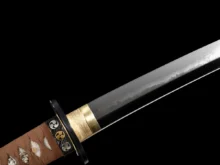
Handmade Folded Steel Full Tang Blade Japanese Samurai Sword Katana
Original price was: $169.00.$146.00Current price is: $146.00. -
-
-
-
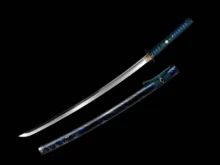
Japanese Samurai Sword Katana 1095 High Carbon Steel Full Tang Blade Brass Tsuba
Original price was: $176.00.$163.00Current price is: $163.00. -
-
-
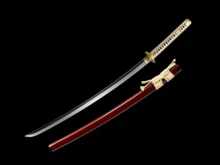
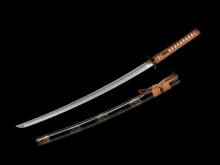
Hand Forge Japanese Samurai Katana T10 Steel Blade Clay Tempered Sword Dragonfly Brass Tsuba
Original price was: $259.00.$209.00Current price is: $209.00.
Reviews
There are no reviews yet.